
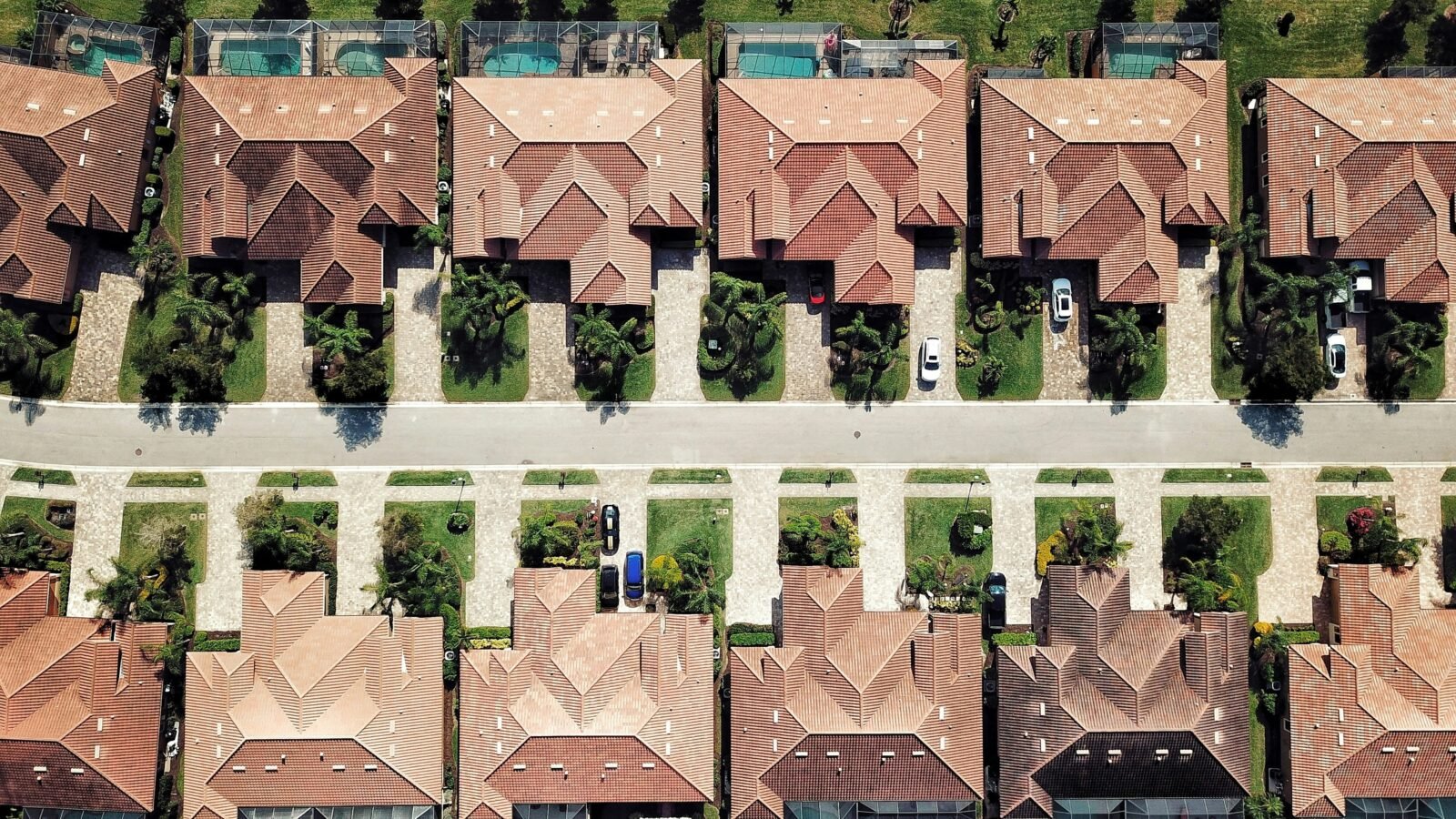
A Florida home with a surprisingly low asking price can look like the opportunity of a lifetime. The listing may show palm trees, a large backyard and a price far below what buyers would pay in New York, California or many major metropolitan areas.
But the number displayed on a real-estate website is only the price of entering the property. It does not reveal what the home may cost to insure, protect from flooding, repair, maintain or keep inside a condominium association.
Florida is not uniformly cheap. In 2026, the statewide median listing price was about $425,000, while the median asking rent was approximately $2,500 per month. Florida Realtors reported a June median sale price of $432,000 for existing single-family homes and $305,000 for condos and townhouses. A home listed well below those figures may be a bargain—but it may also be priced lower because buyers have already identified expensive risks attached to it.
The real question is therefore not simply, “How much does this house cost?”
It is: How much will this house cost every year after the purchase?
1. Home insurance can change the entire calculation
Insurance is one of the first expenses buyers should investigate, not something to leave until the final days before closing.
Florida’s Office of Insurance Regulation shows how dramatically premiums can vary from one county to another. Using data reported through September 2024, average annual homeowners premiums reached $9,058 in Monroe County, $6,614 in Palm Beach County, $6,290 in Broward County and $6,045 in Miami-Dade County. By comparison, the recorded average was $2,064 in Sumter County and $2,213 in Martin County. Actual quotes depend on the insurer, property value, deductibles, building characteristics and coverage terms.
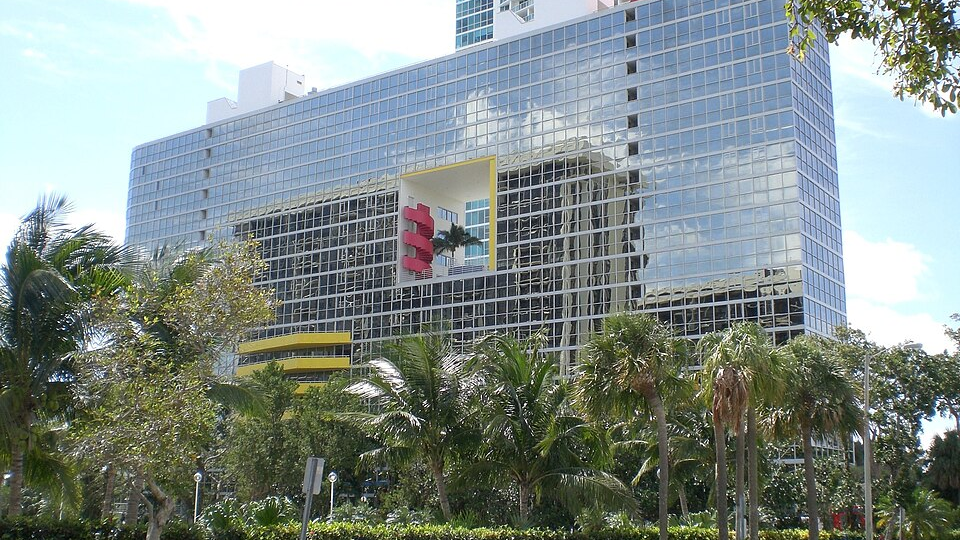
There have been signs of improvement. Citizens Property Insurance Corporation received approval for 2026 rates that were expected to reduce premiums for most of its policyholders, with an average statewide decrease of 8.7%. That relief, however, does not mean every Florida property has become inexpensive to insure. The cost remains highly dependent on the address and the condition of the house.
Before making an offer, a buyer should request real insurance quotes using the exact address, roof age, construction type and intended coverage. An online estimate based only on the ZIP code may not reflect whether the house is actually insurable at an affordable price.
2. Flood insurance is usually a separate expense
A standard homeowners policy generally does not pay for damage caused by flooding. Flood coverage normally requires a separate policy, according to FEMA.
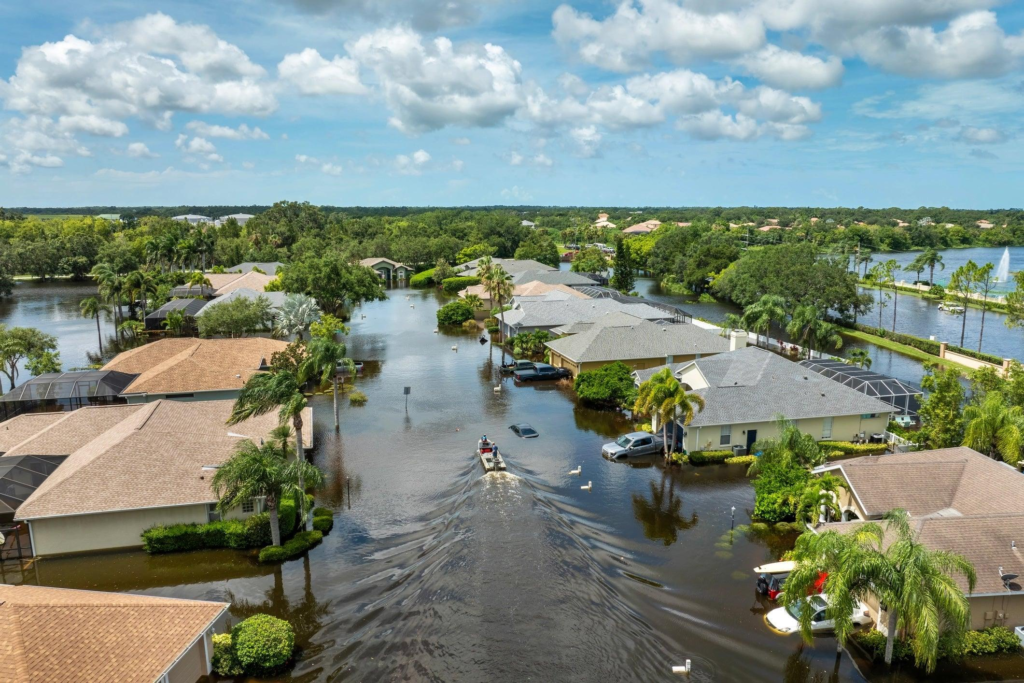
Florida law also requires residential sellers to provide buyers with a flood disclosure at or before the sales contract is signed. The disclosure addresses previous flood damage, insurance claims and federal assistance, but buyers should not treat the form as a complete risk assessment. A property may face future flooding even when its current owner has never submitted a claim.
Buyers should examine:
- The property’s FEMA flood zone;
- The elevation of the building;
- Drainage conditions around the lot;
- Previous flood claims and assistance;
- Whether the lender will require flood coverage;
- The cost of both federal and private flood-insurance options;
- Whether the policy covers the building, personal belongings or both.
A home outside a high-risk zone is not automatically free from flood exposure. FEMA advises homeowners to consider coverage even when it is not required by a mortgage lender.
3. A hurricane deductible can mean thousands out of pocket
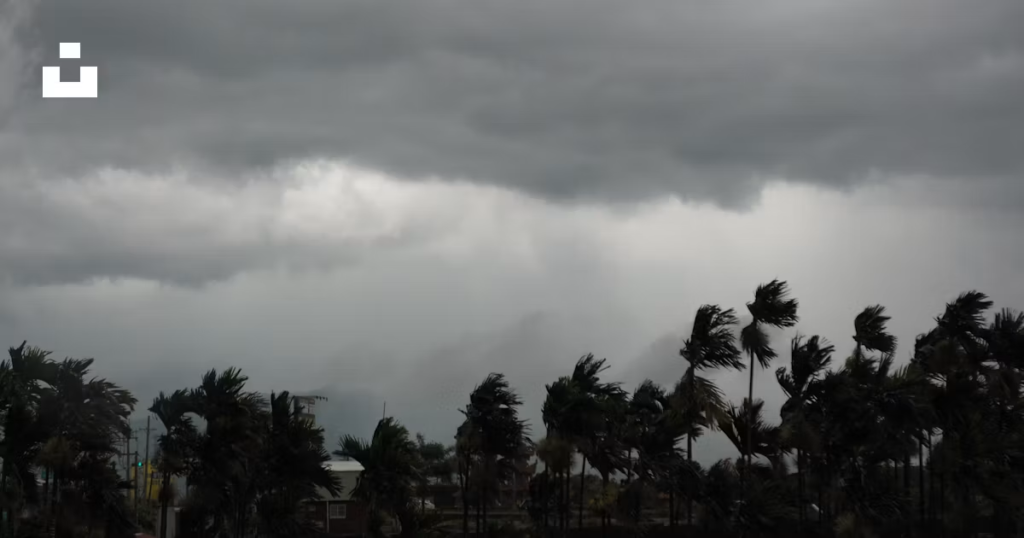
Florida homeowners may have a separate hurricane deductible that is much larger than the standard deductible used for other types of damage.
State consumer guidance says hurricane deductibles are commonly set at 2%, 5% or 10% of the insured value of the dwelling. That percentage applies to the insured structure—not necessarily the purchase price.
For example, a house insured for $300,000 with a 5% hurricane deductible could leave the owner responsible for the first $15,000 of covered hurricane damage.
That does not mean the owner will pay $15,000 every year. It means the household needs enough savings to absorb that amount when a qualifying loss occurs.
This is why an inexpensive monthly mortgage payment can create a false sense of affordability. The property may still require a substantial emergency fund.
4. The previous owner’s property-tax bill may be misleading
A seller may have owned a home for many years and benefited from Florida’s Save Our Homes assessment limitation. After a property first receives a homestead exemption and is assessed at its market value, annual increases in assessed value are generally limited to 3% or the change in the Consumer Price Index, whichever is lower.
A new buyer should therefore not assume that the seller’s current tax bill will continue unchanged.
Florida’s Department of Revenue explains that taxable value is based on assessed value after applicable exemptions. First-time buyers should estimate their taxes using the expected post-purchase assessment and the local millage rate, rather than copying the amount shown in the seller’s records.
A home can look affordable partly because its current owner has accumulated years of assessment protection. Once the property changes hands, the buyer’s future tax bill may be calculated from a much higher value.
5. Older condos can come with special assessments
A cheap condo deserves a different investigation from a cheap single-family home.
Following the Surfside condominium collapse, Florida introduced stronger inspection and reserve requirements for many condominium buildings. Qualifying associations must complete milestone inspections and Structural Integrity Reserve Studies, known as SIRS, according to schedules determined by the age and characteristics of the building. Some studies completed alongside milestone inspections have a deadline of December 31, 2026.
These requirements are intended to improve safety and ensure that associations prepare for major structural expenses. They can also expose years of deferred maintenance.
If an association does not have enough money reserved, owners may face:
- Higher monthly association fees;
- One-time special assessments;
- Financing taken out by the association;
- Mandatory repairs;
- Difficulty selling or financing units.
Recent research analyzing more than one million Florida condo transactions found that prices declined after the Surfside collapse and fell further after the new inspection and reserve rules increased expected ownership costs. The results suggest that some apparently cheap condos are discounted precisely because buyers expect higher future expenses.
Before purchasing, buyers should review the association’s budget, reserve study, inspection reports, meeting minutes, insurance coverage, pending litigation and history of special assessments.
6. The roof may determine whether the home is affordable to insure
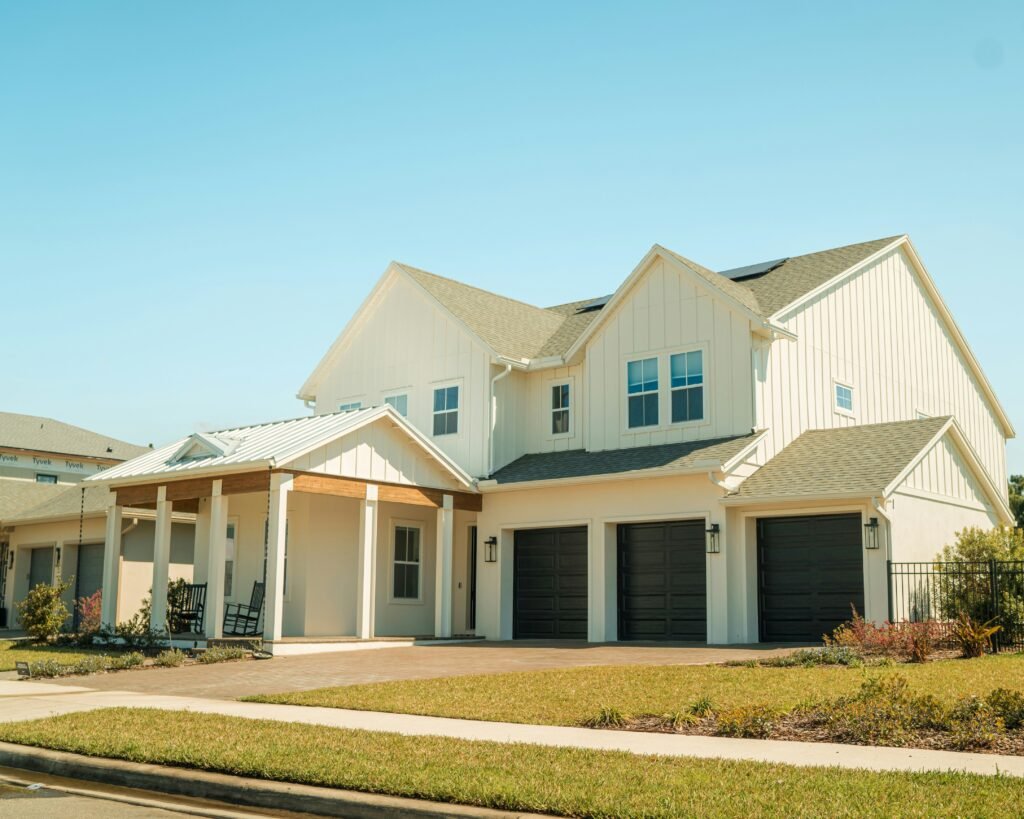
Two Florida houses with identical prices can receive very different insurance quotes because of their construction and wind-resistance features.
Insurers may consider the roof covering, roof-to-wall connections, protection for doors and windows, secondary water resistance and other mitigation features. Florida allows homeowners to obtain wind-mitigation inspections to determine whether the building qualifies for premium credits.
A low-priced house with an aging roof may therefore require a major replacement shortly after purchase. The buyer may also discover that replacing the roof or upgrading openings is necessary to obtain a reasonable insurance quote.
The inspection should establish:
- The roof’s age and remaining useful life;
- Whether permits exist for previous roof work;
- Signs of leakage or moisture;
- The roof-to-wall connection;
- Whether windows and doors have approved storm protection;
- Whether the home has a valid wind-mitigation report.
A new roof is not merely cosmetic in Florida. It can influence immediate repair expenses, storm protection and insurance pricing.
7. Air conditioning, moisture and mold can become recurring costs
Florida’s heat and humidity make air conditioning essential for much of the year. An old system may still function during a home showing but fail under continuous summer use.
Buyers should inspect the air-conditioning system, ductwork, insulation, drainage and signs of moisture intrusion. Mold may be hidden behind walls, beneath flooring or around appliances, and insurance policies may impose limits on mold-related coverage.
The cheapest homes frequently need more than visible improvements such as paint and flooring. Deferred maintenance may include plumbing, electrical systems, windows, drainage, septic equipment and termite damage.
A professional inspection cannot guarantee that every future problem will be discovered, but it can help turn a vague “fixer-upper” description into a realistic repair budget.
8. Closing costs do not disappear because the house is cheap
The purchase price is not the amount a buyer needs to complete the transaction.
Closing expenses may include lender charges, appraisal, inspections, escrow deposits, prepaid insurance, prepaid property taxes, recording costs and title services. In Florida, title-insurance premiums are regulated. The state lists an original owner-policy rate of $5.75 per $1,000 for the first $100,000 of coverage and $5 per $1,000 from $100,000 to $1 million.
The precise division of expenses between buyer and seller can vary by contract and local custom. Buyers should use the lender’s official loan estimate and closing disclosure instead of relying on a generic percentage from an online calculator.
How to calculate the real monthly cost
A better affordability calculation should include:
Mortgage principal and interest
+ Property taxes
+ Homeowners insurance
+ Flood insurance
+ HOA or condo fees
+ Expected special assessments
+ Maintenance reserve
+ Utilities
+ Emergency savings for deductibles
Consider a fictional home listed for $200,000. Its price may appear highly affordable, but adding $500 per month for homeowners insurance, $200 for flood insurance, $350 for property taxes, $400 in association fees and $300 for maintenance would add $1,750 per month before the mortgage payment.
That example is illustrative rather than a statewide estimate. Actual costs must be calculated for the individual property.
Is buying a cheap Florida house a bad idea?
Not necessarily.
Some Florida homes are inexpensive because they are located farther from the coast, need manageable improvements or sit in markets with more supply than demand. A buyer who understands the risks may still find a property that is affordable over the long term.
The danger is treating the asking price as the complete cost.
A genuinely affordable Florida home is one that remains affordable after insurance, taxes, flood protection, maintenance, association expenses and possible storm damage are included.
The best bargain may not be the house with the lowest price. It may be the property with the most predictable ownership costs.
Sources and methodology
- Florida Realtors — June 2026 Florida housing market data — https://www.floridarealtors.org/newsroom/flas-housing-closed-pending-sales-median-prices-june-2q
- Florida Office of Insurance Regulation — January 2025 Property Insurance Stability Report and county premium data — https://floir.com/docs-sf/default-source/property-and-casualty/stability-unit-reports/january-2025-isu-report.pdf
- Citizens Property Insurance Corporation — 2026 homeowners multiperil rate changes — https://www.citizensfla.com/-/20260304-citizens-2026-multiperil-rates-to-drop-statewide
- Federal Emergency Management Agency — Flood insurance coverage and exclusions — https://www.fema.gov/flood-insurance
- Florida Legislature — Florida Statute 689.302, disclosure of flood risks to prospective purchasers — https://www.leg.state.fl.us/STATUTES/index.cfm?App_mode=Display_Statute&URL=0600-06990689Sections0689.302.html
- Florida Department of Financial Services — Florida hurricane deductibles — https://www.myfloridacfo.com/division/consumers/consumerprotections/floridashurricanedeductible
- Florida Department of Revenue — Property tax information for first-time Florida homebuyers — https://floridarevenue.com/property/Documents/pt107.pdf
- Florida Department of Revenue — Save Our Homes assessment limitation — https://floridarevenue.com/property/Documents/pt112.pdf
- Florida Department of Business and Professional Regulation — Condominium milestone inspection and SIRS deadlines — https://condos.myfloridalicense.com/inspections/
- Florida Department of Financial Services — Homeowners insurance and wind-mitigation inspections — https://www.myfloridacfo.com/division/consumers/understanding-insurance/homeownersinsuranceoverview
- Florida Department of Financial Services — Florida title insurance overview and regulated base rates — https://myfloridacfo.com/division/consumers/understanding-insurance/title-insurance-overview

About the author
Claire Donovan
Claire Donovan is a housing and cities journalist covering affordability, local markets, home prices, and the forces shaping American communities.
View all stories
Discussion
0 comments
Keep the conversation useful, specific and respectful. Comments are moderated.