

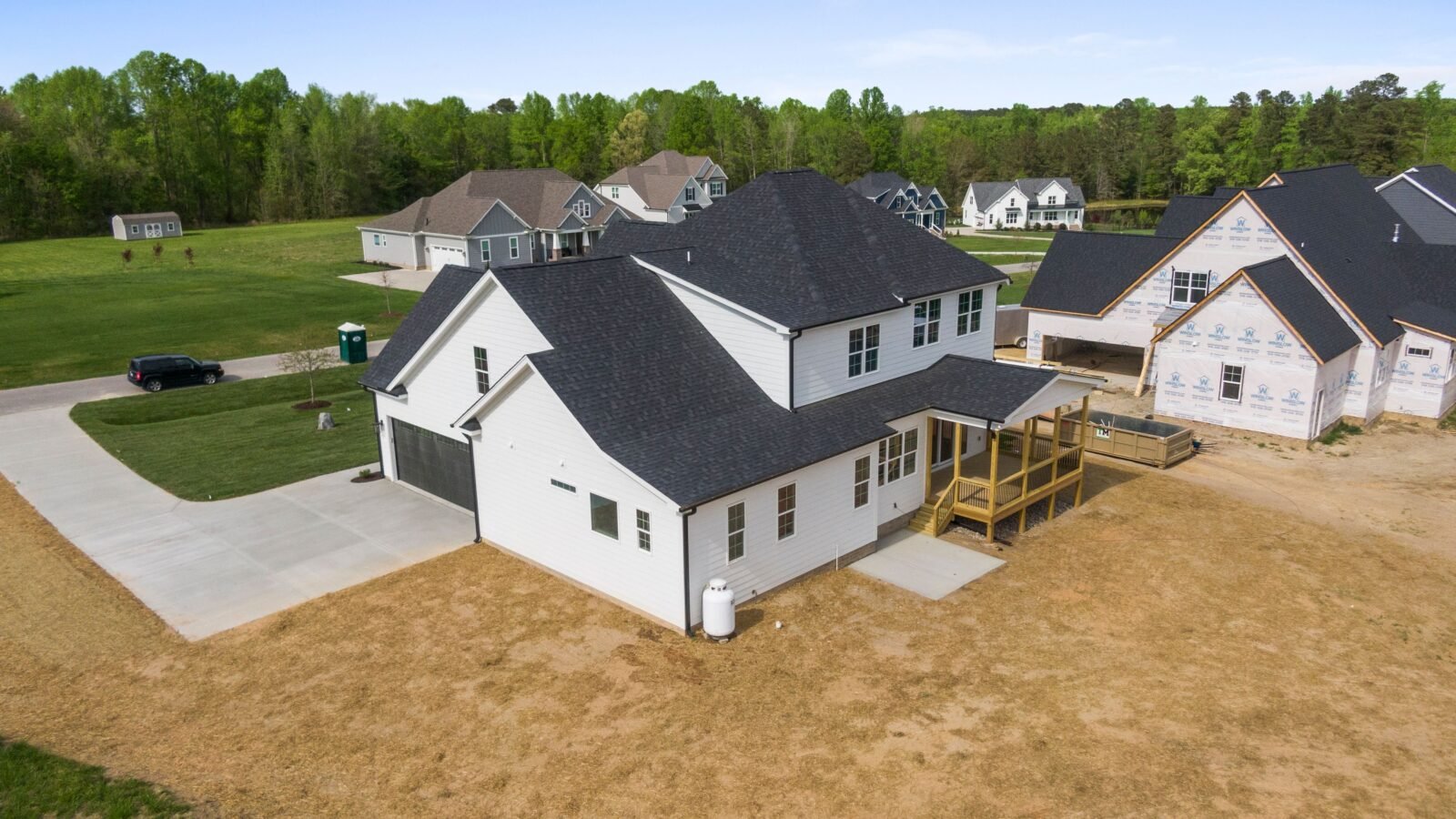
For generations of American homebuyers, purchasing a newly built house usually meant paying a premium for modern construction, unused appliances and the ability to choose finishes.
In 2026, that familiar rule has been turned upside down.
The median price of a new home sold in June was $398,300, according to the U.S. Census Bureau. The median existing home sold for $440,600 during the same month, according to the National Association of Realtors.
That makes the typical new home $42,300 cheaper, a difference of approximately 9.6%. The gap is the widest in nearly 60 years, according to a Reuters analysis of the historical data.
The numbers do not mean that every newly built home is a bargain. Location, size, property type and included features can make two homes with similar prices very different purchases.
But they do reveal an important change in the housing market: builders are now competing aggressively for buyers, while many existing-home sellers remain reluctant to lower their prices.
#Are new homes really cheaper than existing homes?
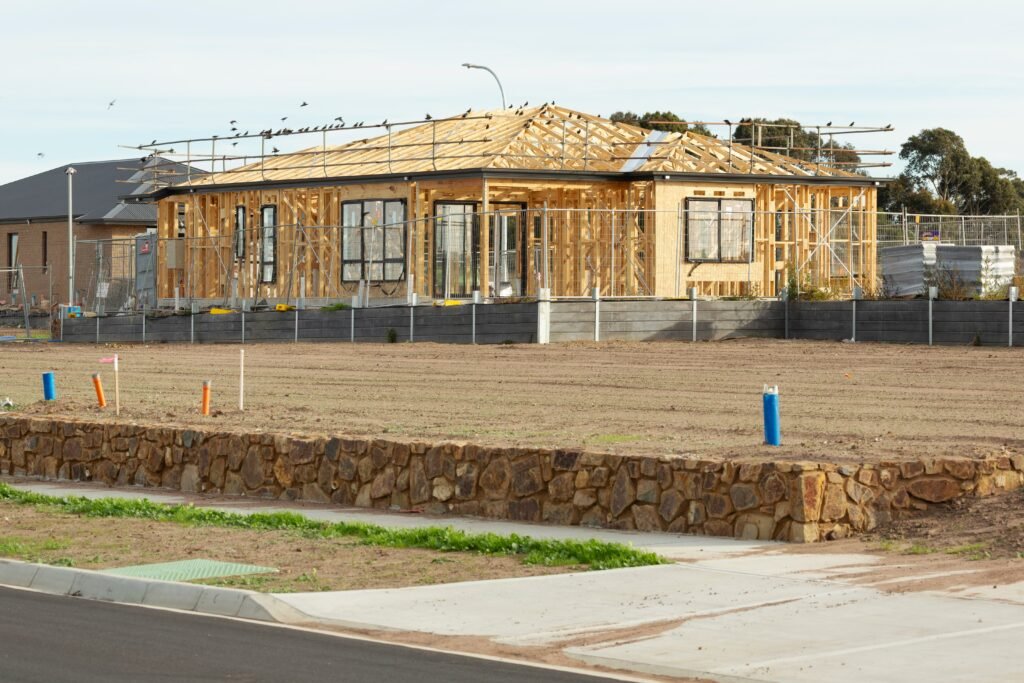
At the national level, yes.
The June median of $398,300 for new single-family homes was 3.3% lower than in May and 2.7% lower than one year earlier. Existing-home prices, meanwhile, reached a record median of $440,600, an increase of 1.8% from June 2025.
The difference becomes slightly larger when new homes are compared only with existing single-family houses. The median existing single-family home sold for $446,400 in June, according to National Association of Realtors data published by the Federal Reserve Bank of St. Louis.
Still, these are national medians rather than prices for identical properties. New construction is concentrated heavily in the South and West, including suburban and exurban communities where land can be cheaper. New homes are also being designed with smaller floor plans and lots as builders attempt to reach more price-sensitive buyers.
The correct conclusion is not that every new house costs 10% less. It is that the national new-home market has become unusually competitive.
#Why are builders cutting new-home prices?
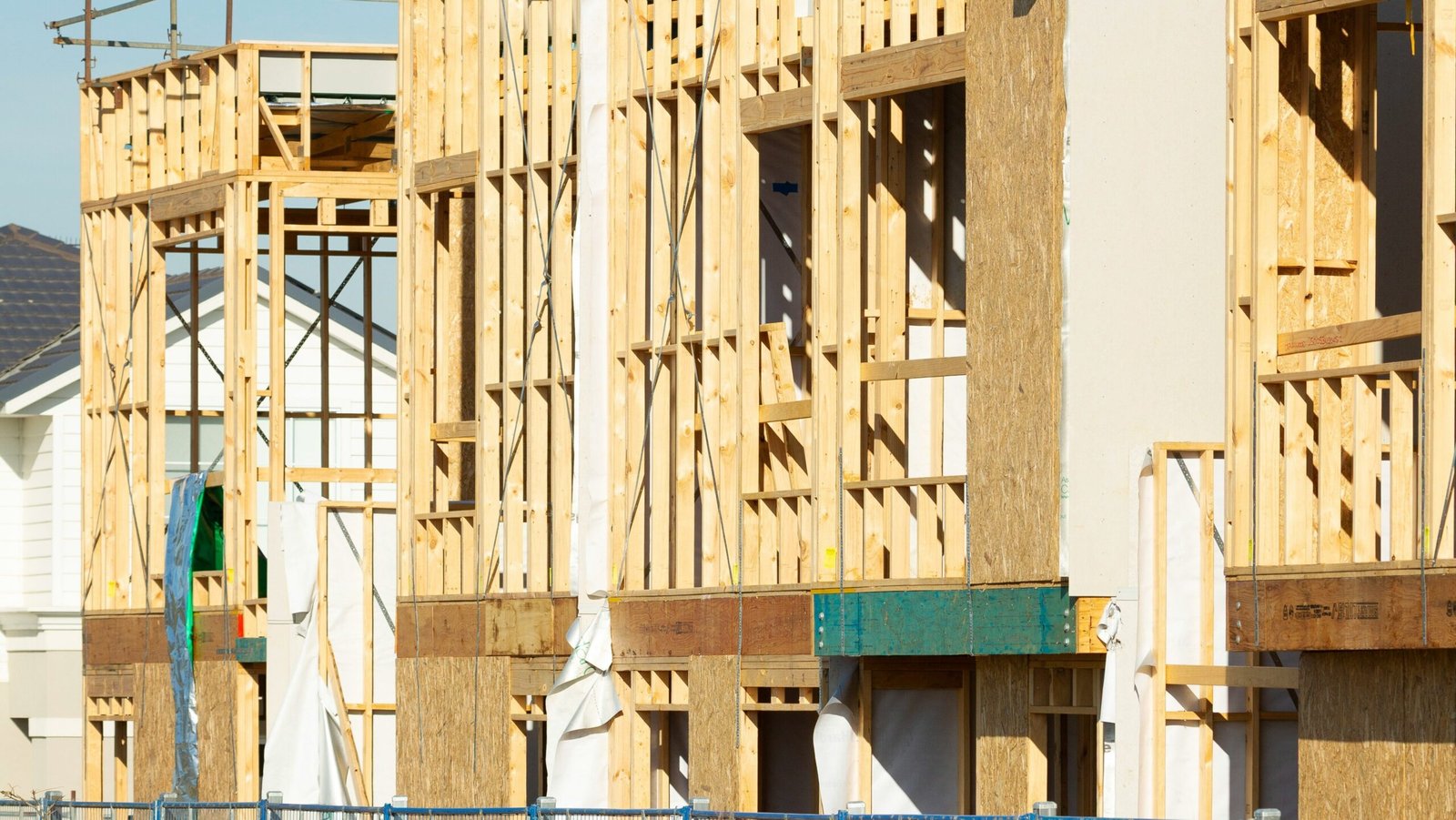
#Builders have too many homes to sell
There were enough new homes available in June to cover approximately 9.3 months of sales at the current pace. The existing-home market had only 4.6 months of inventory.
That difference changes the way sellers behave.
A homeowner may decide to withdraw a listing rather than accept a lower price. A large builder has construction loans, land expenses, employees and entire communities of completed or partially completed homes to carry.
Leaving those properties unsold can become expensive. Builders therefore have a stronger incentive to reduce prices, help with financing or include upgrades to complete a sale.
#Mortgage rates are keeping buyers cautious
The average 30-year fixed mortgage rate was 6.66% on July 30, 2026, according to Freddie Mac. At that rate, even a modest difference in price can substantially affect a buyer’s monthly payment.
Using the June national medians, a buyer making a 20% down payment would borrow:
- $318,640 on the median new home;
- $352,480 on the median existing home.
At 6.66% over 30 years, the estimated principal-and-interest payments would be approximately $2,048 per month for the new home and $2,265 for the existing home.
That is a difference of about $217 per month, excluding property taxes, homeowners insurance, mortgage insurance and association fees.
#Builders can offer financing incentives
Builders do not rely only on visible price reductions.
In June, 62% of builders offered some form of sales incentive, according to the National Association of Home Builders. In July, that share increased to 63%, while 37% of builders reported cutting prices. The average reported price reduction was 6%.
Common incentives include:
- Permanent or temporary mortgage-rate buydowns;
- Contributions toward closing costs;
- Design-center credits;
- Appliance or upgrade packages;
- Discounts on completed, move-in-ready homes.
These offers may make a new home cheaper than its advertised price suggests. A lower mortgage rate, for example, could produce greater long-term savings than a relatively small reduction in the purchase price.
However, some incentives are available only when the buyer uses the builder’s preferred lender or title company. Buyers should compare the builder’s offer with outside financing rather than assuming the advertised incentive is automatically the best deal.
The Consumer Financial Protection Bureau recommends requesting and comparing Loan Estimates from multiple lenders. It advises buyers to compare at least three mortgage offers when possible.
#Existing homeowners are holding firm
Many existing homeowners purchased or refinanced when mortgage rates were significantly lower. Selling can mean giving up that financing and taking on a new loan at today’s higher rates.
This “lock-in” effect has limited the number of existing homes reaching the market. It has also allowed some sellers in supply-constrained areas to resist large price reductions.
Existing-home inventory has improved, but the national median still reached a record in June and recorded its 36th consecutive annual increase.
Builders do not have the same flexibility to wait indefinitely. They must continue moving inventory, particularly in markets where years of construction have left buyers with many competing developments.
#Builders are producing smaller and more affordable homes

Part of the price decline reflects a change in what is being built.
The typical new single-family home has been shrinking as builders respond to affordability pressures. New homes are also increasingly offered on smaller lots or in denser developments, including townhome communities.
The Census Bureau’s June figures were also influenced by a greater share of sales in the more affordable Midwest. That change in the geographic mix helped lower the national median.
A lower median price, therefore, can reflect both genuine discounts and a shift toward smaller or differently located homes.
#The 10% discount is not available everywhere
The national figures hide major regional differences.
New construction tends to be most competitive in parts of the South and West, where builders have added large numbers of homes over the past several years. In markets such as Austin, Phoenix and several Florida and Texas metros, buyers may find completed new homes competing directly with resale listings.
In the Northeast and Midwest, new construction is generally less common. Scarcity, high land costs and stricter development constraints can leave new homes carrying a substantial premium over existing properties. Realtor.com found that new construction was particularly scarce and expensive in many of the Northeast and Midwest markets expected to perform strongly in 2026.
Buyers should compare new and existing homes within the same school district, commute area and property category rather than relying on the national average.
#What costs can make a new home more expensive?

A lower sale price does not necessarily mean a lower total cost.
Before purchasing a new home, check for:
- Homeowners association fees;
- Community development or special tax districts;
- Higher property taxes after the home receives its full assessed value;
- Landscaping, fencing and window treatments;
- Appliances that are not included;
- Lot premiums;
- Design and structural upgrades;
- Internet or utility connection charges;
- Longer commutes from an outer suburb;
- Insurance costs in areas exposed to flooding, storms or wildfires.
The advertised “starting price” may apply only to a basic floor plan on a standard lot. A model home can contain tens of thousands of dollars in upgrades that are not included in the base price.
Ask for a written list separating the base price, selected options, lender credits, builder incentives and estimated recurring costs.
#Should buyers still get a home inspection?
Yes. A new home has not been tested by years of normal use, and new construction can still have installation, drainage, electrical, roofing or finishing problems.
HUD recommends that homebuyers obtain an inspection, while the National Association of Realtors notes that an inspection can evaluate the structure, roof, plumbing, electrical systems, heating, cooling and insulation.
Buyers should also read the builder warranty carefully. The Federal Trade Commission warns that many new-home warranties exclude indirect expenses caused by major defects, such as temporary accommodation while repairs are completed.
An independent inspection before closing—and another shortly before the warranty expires—can help document problems while the builder may still be responsible for correcting them.
#Is a new home the better deal in 2026?
A new home may offer better value when the builder is carrying completed inventory, competing developments are nearby and incentives substantially reduce the mortgage payment or closing expenses.
An existing home may remain the better purchase when it offers:
- A larger lot;
- A more established neighborhood;
- A shorter commute;
- Mature landscaping;
- Lower association fees;
- More negotiating flexibility after inspection;
- A location where new construction is scarce.
The June data gives buyers a reason to include new construction in their search, even if they previously assumed it would be too expensive.
But the best comparison is not simply new versus used. Buyers should compare the total monthly payment, upfront cash, location, size, taxes, insurance, association fees and expected maintenance.
For the first time in decades, a newly built home may carry the lower price tag. Whether it is actually the cheaper home depends on everything attached to that price.
#Frequently asked questions
#How much cheaper are new homes than existing homes?
In June 2026, the median new home sold for $398,300, compared with $440,600 for an existing home. The difference was $42,300, or approximately 9.6%.
#Why are new homes cheaper in 2026?
Builders are dealing with elevated inventory, cautious buyers and high mortgage rates. Many are cutting prices, constructing smaller homes or offering financing and closing-cost incentives to generate sales.
#Are builder mortgage rates really lower?
Builders can use their own funds to buy down a buyer’s mortgage rate, often through an affiliated or preferred lender. Buyers should compare the interest rate, annual percentage rate, lender fees and total closing costs with offers from independent lenders.
#Can I negotiate the price of a new construction home?
Yes. Negotiation may involve the sale price, closing-cost assistance, mortgage-rate buydowns, upgrades, lot premiums or included appliances. Builders may be especially flexible on completed homes they want to sell before the end of a month or financial reporting period.
#Is buying a new home always cheaper?
No. The national median does not control for neighborhood, home size, lot size, taxes or features. New homes can still carry a premium in markets with limited construction, especially in the Northeast and parts of the Midwest.

Discussion
0 comments
Keep the conversation useful, specific and respectful. Comments are moderated.